Ingredient
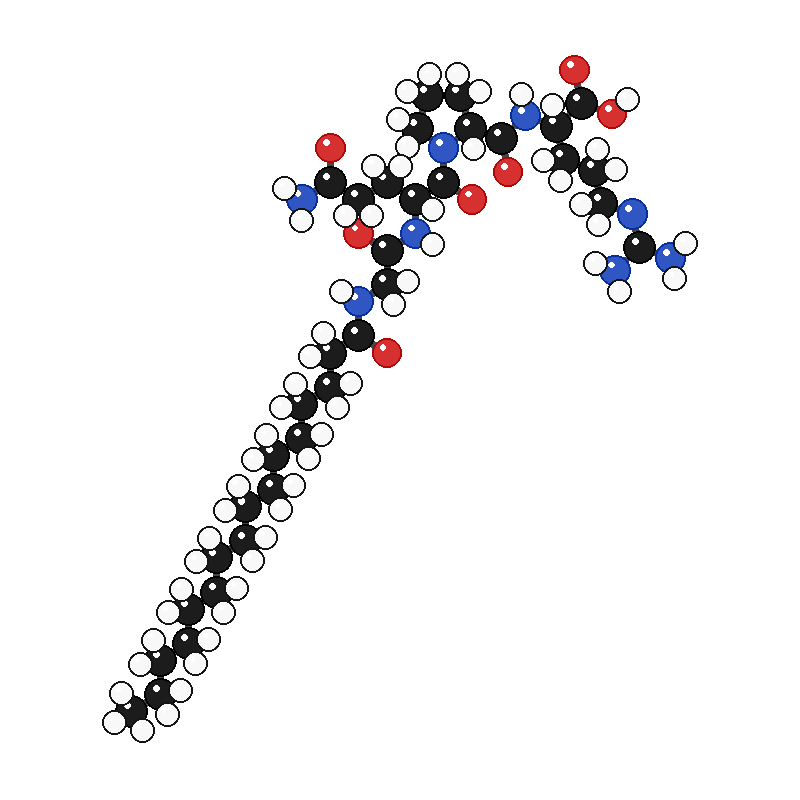
Palmitoyl Tetrapeptide-7
Palmitoyl Tetrapeptide-7 is a well-established anti-aging signaling peptide that remains highly relevant in 2026 due to the continued growth of peptide skincare, eye-area anti-aging and “inflammaging” prevention. It is a core peptide in Eyeliss™ and also…
Palmitoyl Tetrapeptide-7 is a well-established anti-aging signaling peptide that remains highly relevant in 2026 due to the continued growth of peptide skincare, eye-area anti-aging and “inflammaging” prevention. It is a core peptide in Eyeliss™ and also appears in major peptide complexes such as Matrixyl® 3000.
Trend evidence
Palmitoyl Tetrapeptide-7 is also known as Pal-GQPR and is a component of Matrixyl® 3000. Research describes its role in reducing IL-6-related inflammatory signaling, making it particularly relevant to the 2026 “inflammaging” and peptide anti-aging trend.
What it does
Helps reduce signs of skin aging; supports skin firmness and elasticity; helps reduce the appearance of fine lines and wrinkles; reduces inflammatory signaling associated with photoaging; supports smoother-looking eye-area skin.
Notes
Biological / industrial source: Synthetic palmitoylated tetrapeptide. The peptide sequence is Pal-Gly-Gln-Pro-Arg (Pal-GQPR), a lipid-modified signaling peptide.
R&D / ingredient: Sederma / Croda — Palmitoyl Tetrapeptide-7 is used in Eyeliss™ and Matrixyl® peptide technologies.
Developer / supplier: Croda / Sederma; Uniproma and other cosmetic peptide manufacturers and ingredient suppliers.
Origin: France / Europe; commercially supplied worldwide.
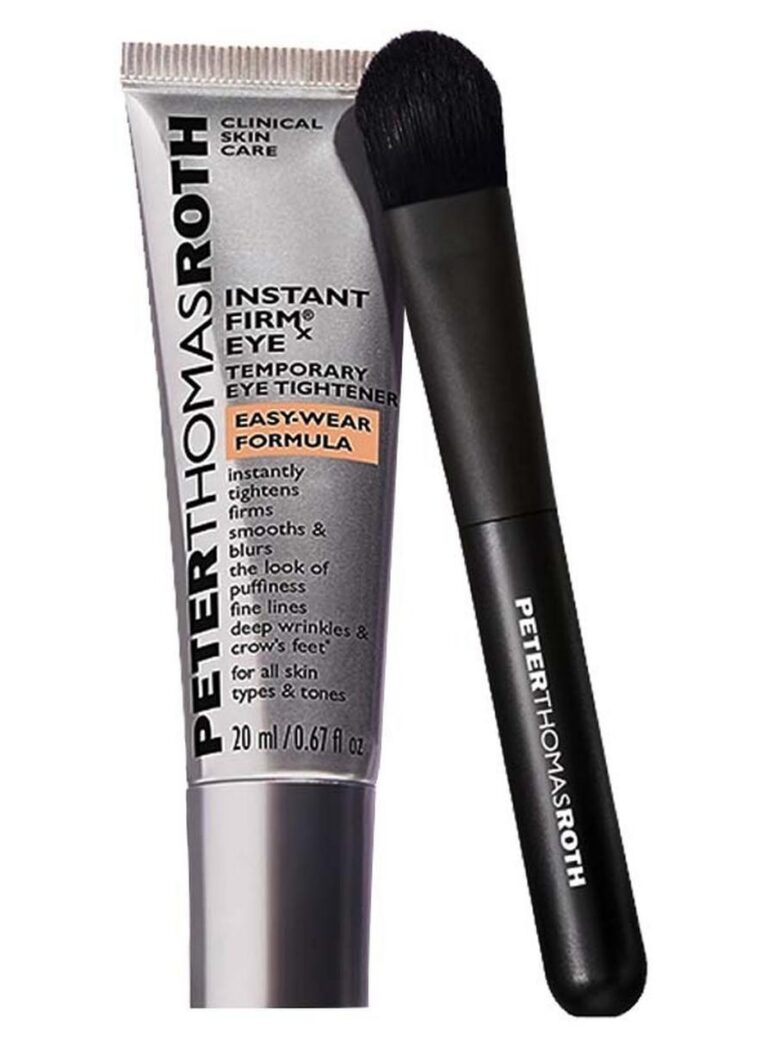
Representative product: Peter Thomas Roth Instant FIRMx Eye Temporary Eye Tightener; Matrixyl® 3000 and Croda Eyeliss™ are representative ingredient technologies.
Approx. retail price: US$10–50+ for small quantities of standalone cosmetic peptide raw material; commercial peptide complexes can reach US$100–500+ depending on concentration and package size.
Evidence maturity: High — widely used cosmetic peptide with established formulation history and supporting mechanistic/in-vitro and clinical research on multi-peptide formulations.
Publishing notes: Also known as Pal-GQPR; component of Matrixyl® 3000; strong fit for inflammaging / peptide anti-aging.