Breaking News
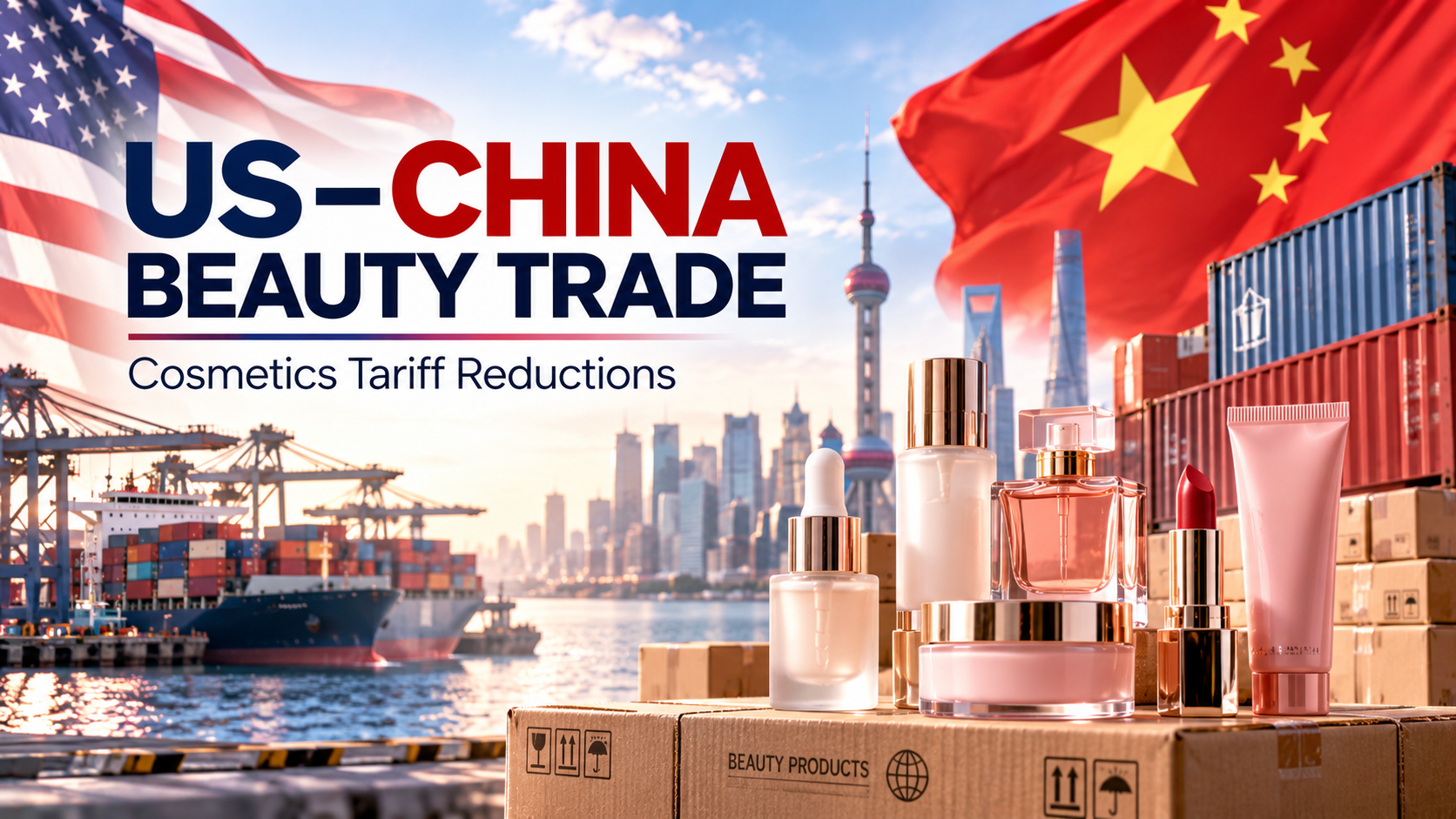
US–China Trade Talks Put Cosmetics Tariff Reductions in Focus
Cosmetics and personal care products have emerged as potential beneficiaries of a new US–China trade framework, following negotiations between President Donald Trump and Chinese President Xi Jinping in September 2026.
The agreement identifies approximately $60 billion in goods for more favorable reciprocal tariff treatment, including American beauty and personal care exports to China.
For the global cosmetics industry, the development could create new opportunities for manufacturers, exporters and international beauty brands seeking access to the Chinese consumer market.
However, the proposed tariff benefits remain subject to the relevant domestic implementation procedures, meaning companies should not assume that every listed product already qualifies for reduced duties.
Trump and Xi Put Beauty Products on the Trade Agenda
Following the September negotiations, the United States and China published lists of non-sensitive goods recommended for preferential tariff treatment under the US–China Board of Trade framework.
Each country identified approximately $30 billion in products for consideration.
The Chinese import list includes American cosmetics and personal care products, while the US import list includes selected Chinese consumer goods, including certain beauty-related appliances and accessories.
The agreement represents an effort to reduce trade barriers in less politically sensitive sectors while broader economic tensions between the two countries continue.
For the beauty industry, it is a notable development: cosmetics have become part of a high-level international trade initiative.
China's $1.1 Billion Market for American Beauty Exports
According to the Personal Care Products Council (PCPC), China represents approximately $1.1 billion in annual export opportunities for US cosmetics and personal care products.
The organization welcomed the inclusion of beauty products in the proposed tariff framework, describing it as an opportunity to support American manufacturers and strengthen access to the Chinese market.
China remains an important destination for international skincare, cosmetics and personal care companies.
Lower import duties, if implemented, could improve pricing flexibility for American brands competing with domestic Chinese companies and other international suppliers.
The actual commercial benefits will depend on product classifications, final tariff rates and the timing of implementation.
Tariffs Are Only Part of the Challenge
Although lower tariffs could improve market access, regulatory requirements remain a significant consideration for beauty exporters.
The PCPC estimates that removing certain non-tariff barriers could increase US cosmetics exports to China by approximately 27%.
The organization has identified several priorities, including simplifying requirements for minor product modifications, recognizing internationally accepted efficacy-testing methods and addressing remaining animal-testing requirements.
These proposals reflect the industry's position and should not be interpreted as regulatory changes that have already been adopted.
For beauty brands, compliance with Chinese cosmetics registration, notification, labeling and safety requirements remains essential.
What About Chinese Beauty Manufacturers Exporting to the US?
The reciprocal framework also creates questions for Chinese manufacturers supplying the American beauty market.
China is an important manufacturing base for cosmetics packaging, beauty tools, skincare accessories and finished beauty products.
Selected Chinese consumer goods have been included in the proposed US tariff-reduction framework, including certain beauty-related devices.
However, the agreement does not establish a blanket reduction in US tariffs on all Chinese cosmetics, skincare products or beauty accessories.
Manufacturers and importers must assess eligibility using the applicable Harmonized Tariff Schedule classifications and official implementation guidance.
Could Lower Tariffs Help Beauty Brands Manage Costs?
Trade duties can influence the landed cost of imported products, particularly for companies operating across multiple international markets.
If eligible products receive lower tariffs, importers may have additional flexibility in pricing, distribution and inventory planning.
Potential benefits could include more competitive retail prices, improved margins or additional resources for product development and marketing.
Nevertheless, tariff reductions do not automatically translate into lower consumer prices.
Transportation costs, exchange rates, compliance expenses and competitive conditions will continue to influence final pricing decisions.
Why It Matters for the Beauty Industry
The proposed US–China tariff framework has three important implications for the global beauty industry.
First, cosmetics are becoming more visible in international trade negotiations. Beauty and personal care products are increasingly recognized as commercially important export categories.
Second, access to China remains a strategic opportunity. American beauty brands could benefit from more favorable trade conditions, although regulatory compliance and local competition remain significant factors.
Third, supply-chain planning requires greater attention to trade policy. Companies selling internationally need to monitor tariff classifications, implementation dates and country-specific requirements.
The development is particularly relevant to independent beauty brands, contract manufacturers and e-commerce sellers operating across the United States and China.
What Happens Next?
The next step will be the implementation of the agreed tariff framework through the relevant domestic legal and administrative processes.
Beauty companies should monitor official announcements from the US Trade Representative, Chinese customs authorities and industry organizations before adjusting import-cost assumptions.
For now, the inclusion of cosmetics and personal care products represents a positive signal for the industry, rather than a guarantee of immediate tariff savings.